Best Studio Monitors for Bedroom Producers in 2026
Three studio monitors for a desk in a bedroom: Yamaha HS5, ADAM T5V and PreSonus Eris 3.5, compared on listed specs, room controls and price.
Heads up: some links here pay us. If you buy through an EcoFlow or eufy link we may earn a commission, at no cost to you (that's Awin, in some countries). Amazon and other shop links pay us nothing right now. I haven't tested these products myself unless the page says so; the picks come from the specs and listings, and I'll tell you when I'm not sure. How I research · Editorial policy
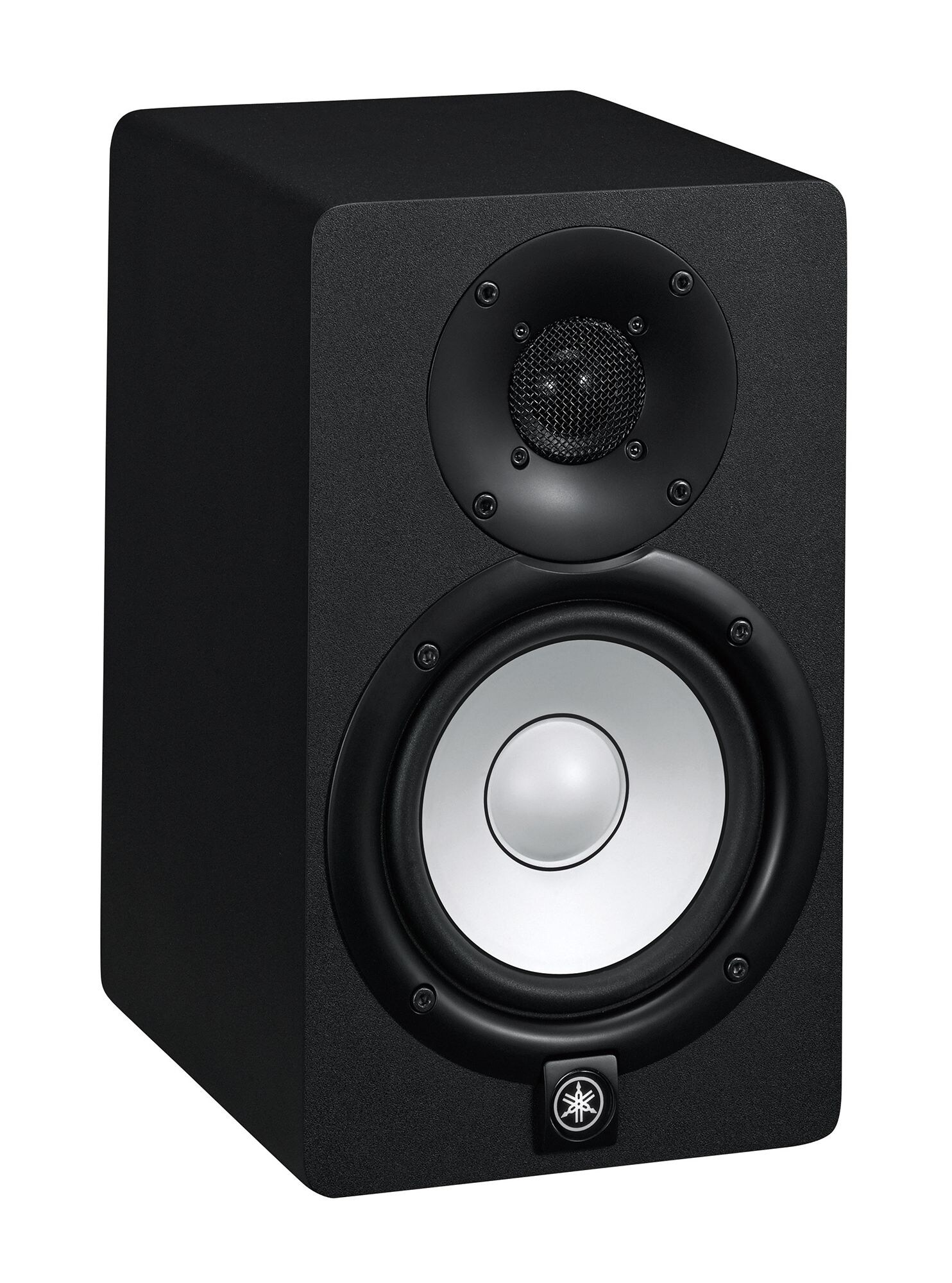
Yamaha HS5
The Yamaha HS5 is $199.99 each ($399.98 a pair) and lists Room Control and High Trim switches with 2,365 Amazon ratings. The PreSonus Eris 3.5 is the budget entry at $99.99 for a complete pair, listing 50W and acoustic tuning controls. The ADAM T5V is $220 each ($440 a pair). Prices were read on Amazon.com on 5 October 2026, the figures are the makers', and we have not tested any of these monitors.
Check Price on AmazonAt a Glance
| Feature | Yamaha HS5 | ADAM Audio T5V | PreSonus Eris 3.5 |
|---|---|---|---|
| Price | $199.99 each | $220 each | $99.99 a pair |
| Frequency Response (listed) | 54Hz - 30kHz | 45Hz - 25kHz | 80Hz - 20kHz |
| Power | 45W LF + 25W HF (bi-amped) | 70W | 50W total |
| Driver | 5-inch woofer + 1-inch dome tweeter | 5-inch woofer + U-ART tweeter | 3.5-inch woofer + 1-inch silk dome tweeter |
| Inputs | XLR + TRS | XLR + RCA | TRS + RCA + front aux |
| Room Controls | Room Control + High Trim | Low/high shelf filters | High/low acoustic tuning |
Quick Comparison
Our Top Picks
Yamaha HS5
Lists a 5" cone woofer, a 1" dome tweeter, 70W and Room Control and High Trim switches, at $199.99 each.
- Room Control and High Trim response controls, per Yamaha
- 54Hz to 30kHz and 70W (45W low frequency plus 25W high), per the listing
- XLR and TRS phone inputs, balanced or unbalanced
- 2,365 Amazon ratings, the most of the three
- Sold individually: a pair costs $399.98
- Lists 54Hz at the low end, above the T5V's 45Hz
- No Bluetooth or RCA input listed
ADAM Audio T5V
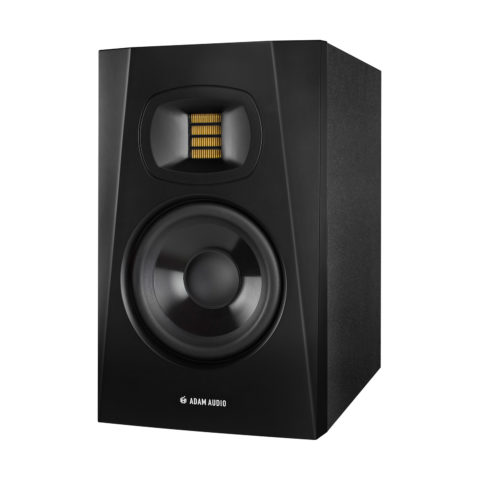
Lists a U-ART tweeter with an HPS waveguide, 45Hz to 25kHz and low and high shelf filters, at $220 each.
- Lists 45Hz at the low end, the lowest bass figure of the three
- U-ART tweeter and HPS waveguide, per ADAM
- Low and high shelf filters, per the listing
- A beveled cabinet that ADAM says allows placement in limited space
- 70W and XLR and RCA inputs, per the listing
- Sold individually: a pair costs $440
- 349 Amazon ratings, fewer than the HS5
- Rear-firing bass port, per the listing
PreSonus Eris 3.5
Lists 3.5" woofers, 1" silk-dome tweeters, 50W and acoustic tuning controls, sold as a complete pair at $99.99.
- $99.99 for a complete stereo pair, the lowest price of the three
- High and low frequency acoustic tuning controls, per PreSonus
- Balanced TRS, RCA and a front aux input, with a front headphone jack
- Compact 3.5" size for a desk
- 1,574 Amazon ratings at 4.4 stars
- Lists 80Hz to 20kHz, the highest low-end figure of the three
- 50W in total, less than the 70W HS5 or T5V
- No Bluetooth listed
How This Was Researched
We compare what each maker and Amazon listing states: woofer size, power, frequency range, room controls, inputs and price, for desk-sized studio monitors in stock on Amazon.com on 5 October 2026. The HS5 and T5V are sold singly, so their pair prices are two times the listed price; the Eris 3.5 is sold as a pair. The figures are the makers' own and we have not tested these monitors.
Frequently Asked Questions
The Yamaha HS5 ($199.99) and ADAM T5V ($220.00) are sold individually, so a stereo pair is $399.98 and $440. The PreSonus Eris 3.5 is sold as a complete pair at $99.99. This guide used to quote the T5V at $249 each, which was wrong.
Yamaha lists Room Control and High Trim response controls on the HS5. ADAM lists low and high shelf filters on the T5V. PreSonus lists high and low frequency acoustic tuning controls on the Eris 3.5. They are different adjustments and we have not tested how they behave in a bedroom.
Not in the Amazon listing we read. It lists balanced TRS, RCA, a front-panel aux input and a front headphone jack. An earlier version of this guide said it had Bluetooth, which was wrong.
Yamaha HS5
Lists a 5" cone woofer, a 1" dome tweeter, 70W and Room Control and High Trim switches, at $199.99 each.
Check Price on Amazon