Best Power Backup for Home Medical Equipment in 2026
The EcoFlow Delta 3 has the highest output and capacity of the three compared here. UPS and power station specs side by side, with the makers' own statements.
Heads up: some links here pay us. If you buy through an EcoFlow or eufy link we may earn a commission, at no cost to you (that's Awin, in some countries). Amazon and other shop links pay us nothing right now. I haven't tested these products myself unless the page says so; the picks come from the specs and listings, and I'll tell you when I'm not sure. How I research · Editorial policy
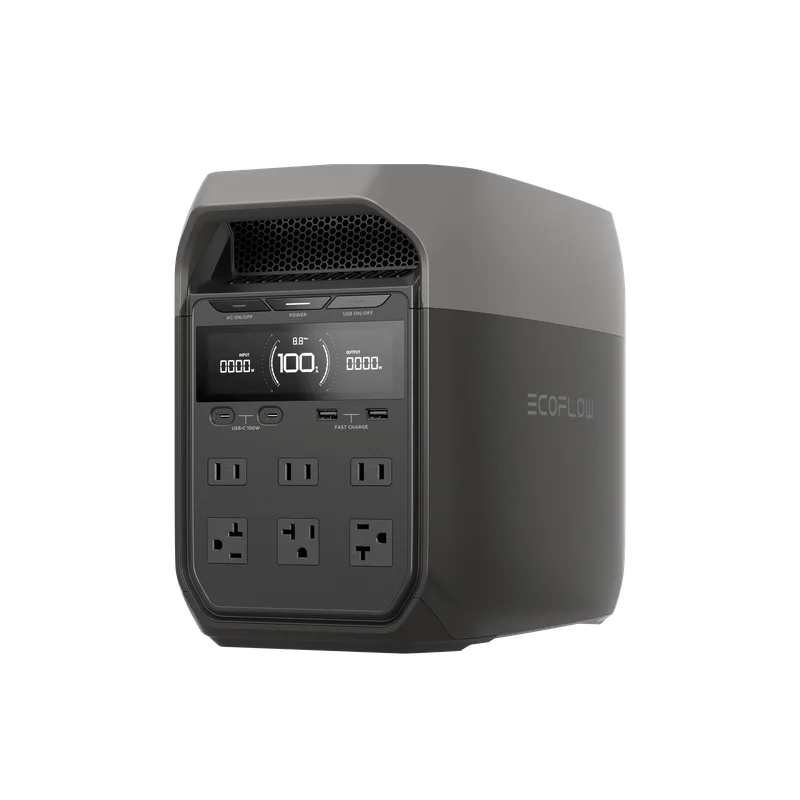
EcoFlow Delta 3
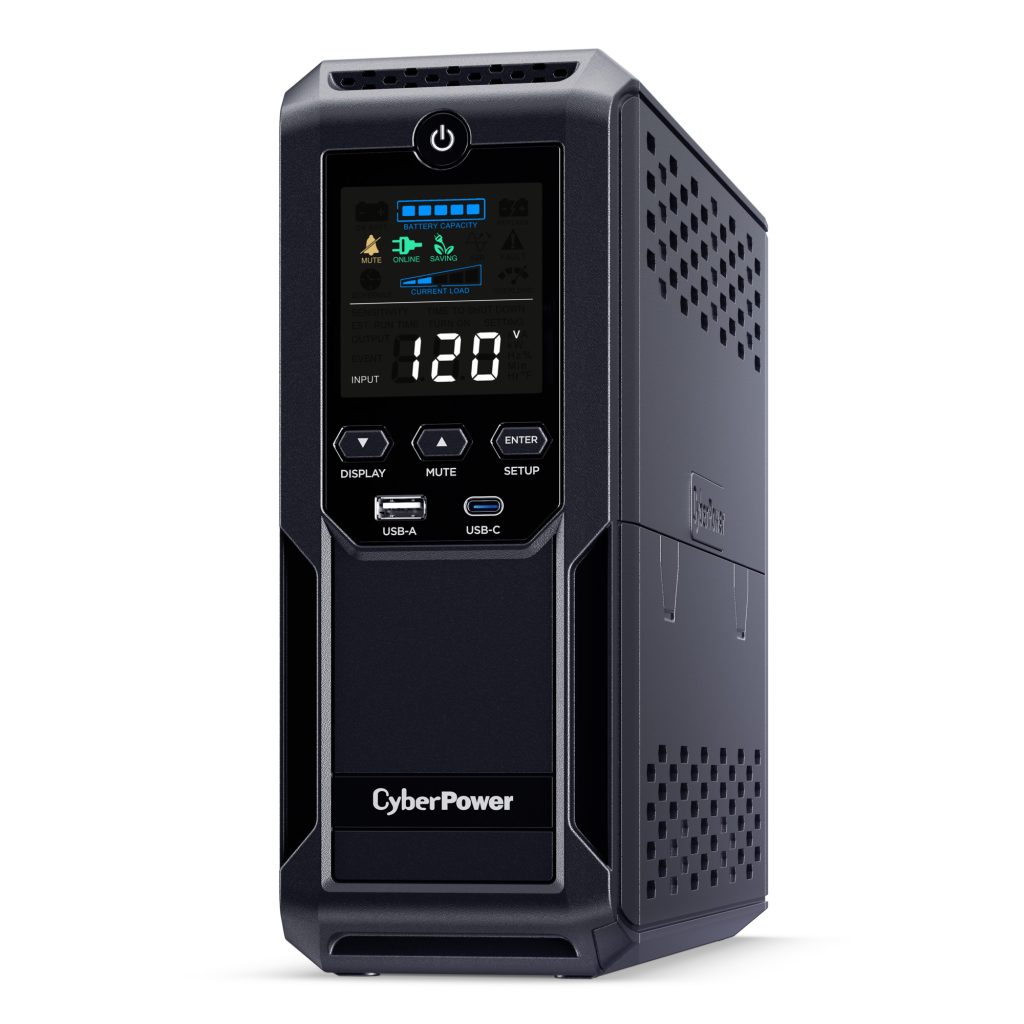
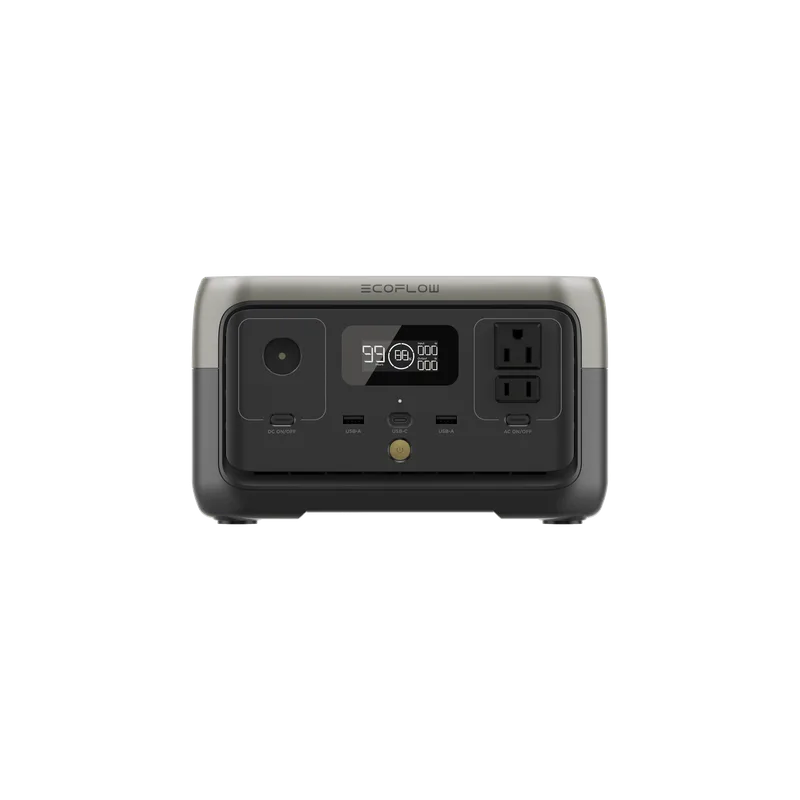
Compared on published specifications, the EcoFlow Delta 3 has the highest output and capacity of the three: 1800W and 1024Wh, with a sub-10 ms UPS switchover, per EcoFlow. The CyberPower CP1500AVRLCD3 is a UPS that lists a 4 ms transfer time and 900W, with a stated runtime of 12 minutes at half load and 3 minutes at full load, for $179. The EcoFlow River 2 lists 300W and 243Wh for $209, with an under 30 ms auto-switch, per EcoFlow. A UPS and a power station are built for different jobs: a UPS is designed to switch over in milliseconds and has a short runtime, while a power station stores more energy. The makers' own statements: EcoFlow says its power stations are not intended to power life-sustaining medical equipment, including hospital-grade CPAP devices, and advises confirming compatibility with the device maker or your healthcare provider. Confirm with your equipment's maker before use.
Check Price on AmazonAt a Glance
| Feature | EcoFlow Delta 3 | CyberPower CP1500AVRLCD3 | EcoFlow River 2 |
|---|---|---|---|
| Price | $599 sale, $699 list | $179 | $209 list |
| Switchover Time | UPS under 10 ms, per EcoFlow | 4 ms transfer time, per CyberPower | EPS under 30 ms, per EcoFlow |
| Output | 1800W continuous | UPS - 900W | 300W continuous |
| Capacity | 1024Wh (expandable to 5kWh) | 1500VA / 900W | 243Wh per EcoFlow (256Wh on Amazon) |
| Weight | 12.5kg | Not compared | 3.5kg |
Quick Comparison
Our Top Picks
EcoFlow Delta 3
The highest output and capacity of the three: 1800W and 1024Wh, with a sub-10 ms UPS switchover, extra batteries up to 5kWh and a 5-year warranty, all per EcoFlow. It replaced the Delta 2, which EcoFlow no longer sells in the US.
- 1800W continuous output (2200W X-Boost), per EcoFlow
- 1024Wh, expandable to 5kWh with EcoFlow extra batteries
- Under 10 ms UPS switchover, per EcoFlow
- 1500W wall charging
- 4000 cycles to 80% capacity and a 5-year warranty, per EcoFlow
- EcoFlow's US spec sheet does not state the output waveform
- EcoFlow says its power stations are not intended to power life-sustaining medical equipment
- 12.5 kg (27.6 lb), the heaviest of the three
- More expensive than a plug-in UPS
CyberPower CP1500AVRLCD3
A line-interactive UPS listing 1500VA/900W and a 4 ms transfer time, with a stated runtime of 12 minutes at half load and 3 minutes at full load, at $179.
- 4 ms transfer time, per CyberPower's datasheet
- 1500VA / 900W with automatic voltage regulation
- 12 outlets, 6 of them battery-backed, per retailer listings
- Three-year warranty, per retailer listings
- The lowest price of the three
- Stated runtime is minutes, not hours: 12 minutes at half load and 3 minutes at full load, per the datasheet
- Simulated sine wave output, per CyberPower
- Not portable, and no solar input
EcoFlow River 2
Lists 243Wh (Amazon lists 256Wh) and 300W, with an under 30 ms auto-switch for essential devices per EcoFlow, for $209.
- 300W continuous output with a 600W X-Boost mode, per EcoFlow
- Under 30 ms EPS auto-switch for essential devices, per EcoFlow
- Full wall recharge in about an hour, per EcoFlow
- 7.7 lb (3.5 kg), the lightest of the three
- 3000 cycles to 80% capacity, per EcoFlow
- 300W continuous output is the lowest of the three
- EcoFlow's US spec sheet does not state the output waveform
- EcoFlow says its power stations are not intended to power life-sustaining medical equipment
- EcoFlow lists no extra battery for it
How This Was Researched
We compare specifications published by the makers or listed by retailers: output, watt-hours or VA, switchover time, stated runtime, recharge, weight, and the output waveform where stated. We have not tested any of these products with medical equipment and make no claim that they are suitable for any. EcoFlow prices were read from its stores on 2 October 2026. Statements attributed to a maker are the maker's own.
Frequently Asked Questions
EcoFlow says its power stations are not intended to power life-sustaining medical equipment, including hospital-grade CPAP devices, and advises confirming compatibility with the device maker or your healthcare provider. We did not find a statement on medical use for the CyberPower CP1500AVRLCD3 in the listings we read. These are the makers' statements, not ours.
A UPS such as the CyberPower is designed to switch over in milliseconds and holds a small battery, so its stated runtime is short: 12 minutes at half load and 3 minutes at full load on this model. A power station such as the EcoFlow Delta 3 stores much more energy (1024Wh) and lists a sub-10 ms UPS switchover, and is larger and heavier. They are different tools.
Compare the output and watt-hours or VA the maker lists with the rated draw in your own equipment's manual. Runtime is roughly watt-hours divided by the load in watts, before conversion losses. Also check the switchover time, whether the maker states the output waveform, and any position the maker takes on medical use.
The EcoFlow Delta 3 lists 1800W continuous. The CyberPower CP1500AVRLCD3 lists 900W and the EcoFlow River 2 lists 300W.
EcoFlow Delta 3
The highest output and capacity of the three: 1800W and 1024Wh, with a sub-10 ms UPS switchover, extra batteries up to 5kWh and a 5-year warranty, all per EcoFlow. It replaced the Delta 2, which EcoFlow no longer sells in the US.
Check Price on Amazon