How Much Should a Portable Power Station Cost in 2026? A Realistic Price Guide
The EcoFlow Delta 3 is the sweet spot. How much should a portable power station cost? About $0.60 to $0.70 per watt-hour at list.
Heads up: some links here pay us. If you buy through an EcoFlow or eufy link we may earn a commission, at no cost to you (that's Awin, in some countries). Amazon and other shop links pay us nothing right now. I haven't tested these products myself unless the page says so; the picks come from the specs and listings, and I'll tell you when I'm not sure. How I research · Editorial policy
$500-$800 (WINNER) - EcoFlow Delta 3
Plan on about $0.60 to $0.70 per watt-hour at list for a 1kWh LiFePO4 station, and treat anything much above $1 as a premium for size. The EcoFlow Delta 3 is the sweet spot: 1024Wh and 1800W for $699 at list, or $599 in the current sale. Under $250 you pay about $0.86 per watt-hour for a small unit. At 2kWh and up the price per watt-hour keeps falling, but only if you will use the capacity.
Check Price on AmazonAt a Glance
| Feature | Under $250 - EcoFlow River 2 | $250-$400 - EcoFlow River 3 Plus | $500-$800 (WINNER) - EcoFlow Delta 3 | $800-$1,200 - EcoFlow Delta 3 Max |
|---|---|---|---|---|
| Price | 99 | $279 | $599 sale, $699 list | $879 sale, $1,199 list |
| Price Tier | Small loads (under $250) | UPS and small appliances ($250-$400) | Sweet spot ($500-$800) | Home backup ($800-$1,200) |
| Capacity | 243Wh | 286Wh | 1024Wh | 2048Wh |
| AC Output | 300W | 600W (1200W X-Boost) | 1800W (2200W X-Boost) | 2400W (3400W X-Boost) |
| Price per Wh | $0.86 | $1.05 | $0.68 list, $0.58 sale | $0.59 list, $0.43 sale |
| Best For | CPAP, router, phones, laptop | Desk UPS, small appliances | Outage backup, camping, work from home | Larger home backup, heavy loads |
Quick Comparison
Our Top Picks
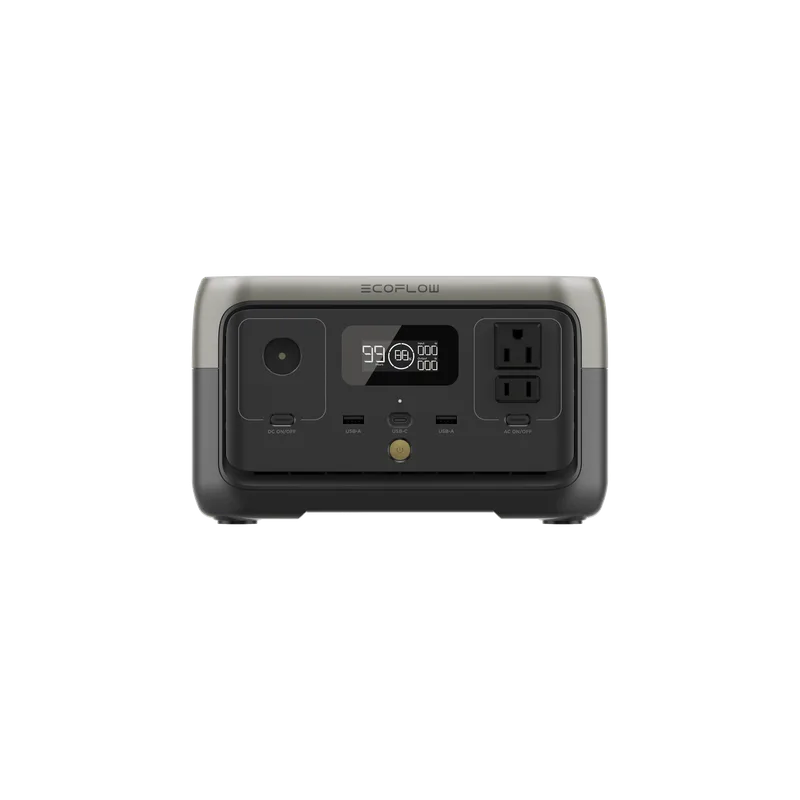
Under $250 - EcoFlow River 2
The small-load tier. 243Wh and 300W for $209, about $0.86 per watt-hour: a CPAP, a router, a phone and a laptop, and little else.
- $209 for a LiFePO4 station, with stores in the US, France and the Netherlands
- 7.7 lb, light enough to carry without thinking about it
- 3000 cycles to 80% capacity published by EcoFlow
- Full recharge from the wall in about an hour
- 300W output rules out heaters, kettles and most kitchen appliances
- About $0.86 per watt-hour, the second most expensive way to buy capacity in this guide
- No extra battery to add later
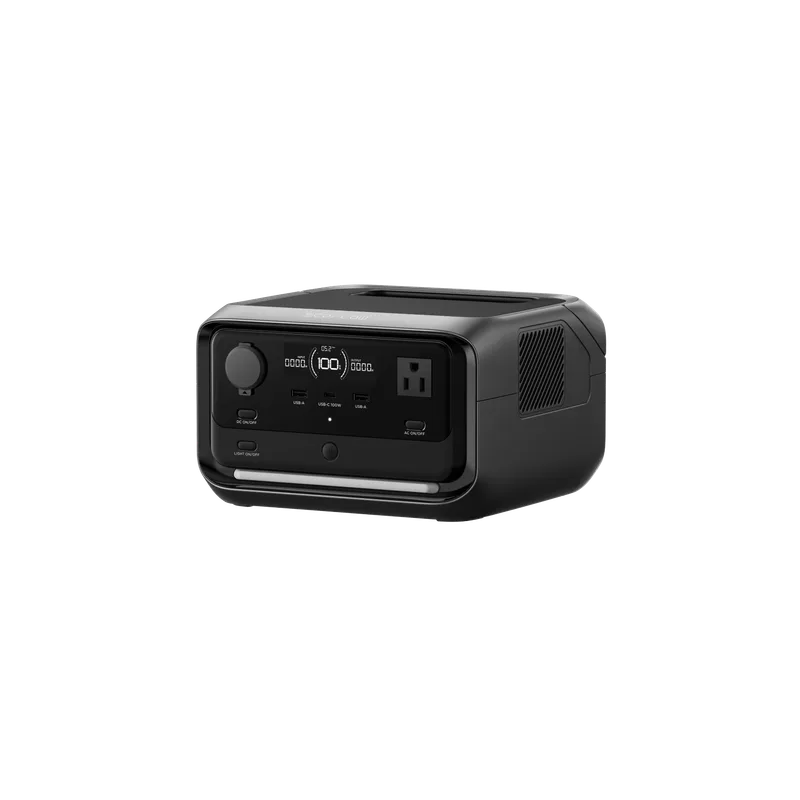
$250-$400 - EcoFlow River 3 Plus
The desk and small-appliance tier. 286Wh, 600W with a 1200W X-Boost mode and a sub-10 ms switchover for $299, but the most expensive per watt-hour at about $1.05.
- 600W continuous, 1200W X-Boost, double the River 2
- Under 10 ms switchover, so it works as a UPS for a desktop or router
- 220W solar input and a battery that expands to 858Wh
- Under 30 dB in use
- About $1.05 per watt-hour, the highest in this guide
- Only 286Wh: it runs a 600W load for under half an hour
- $90 more than the River 2 for 18% more capacity
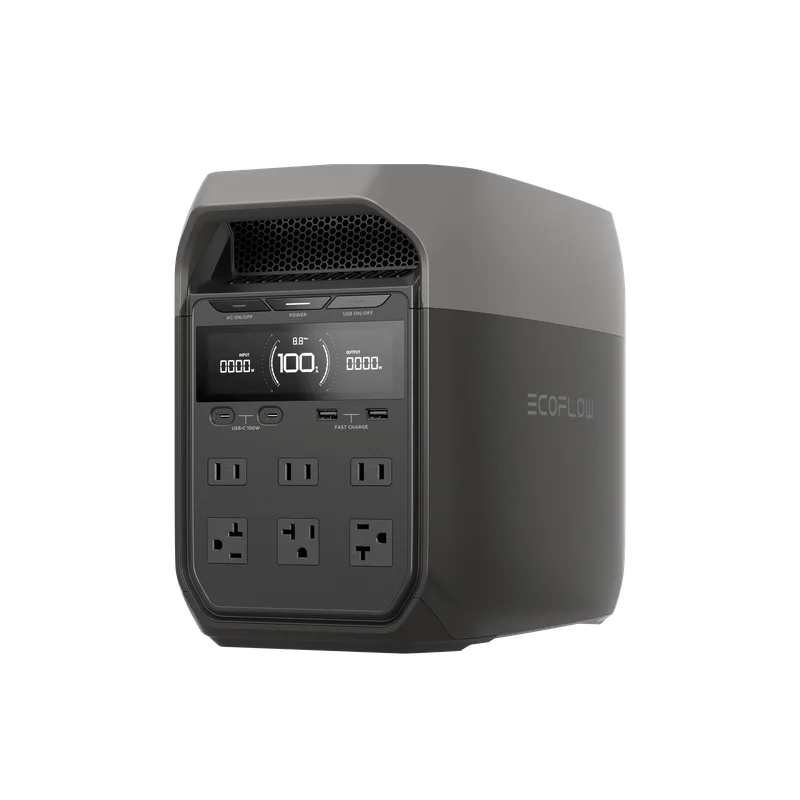
$500-$800 (WINNER) - EcoFlow Delta 3
The sweet spot. 1024Wh and 1800W for $699 at list ($0.68 per watt-hour) and $599 in the current sale ($0.58), with a 4000-cycle battery and a 5-year warranty.
- 1024Wh at 1800W: enough for a fridge, a router, lights and a laptop through an outage
- About $0.68 per watt-hour at list and $0.58 on sale, 20% to 45% cheaper per watt-hour than the tiers below
- 4000 cycles to 80% capacity and a 5-year warranty
- Under 10 ms UPS switchover
- Takes extra batteries up to 5kWh
- 27.6 lb, a one-person carry but not a backpack
- Single solar input, 500W max
- The sale price is time-limited: $599 runs to October 5, list is $699
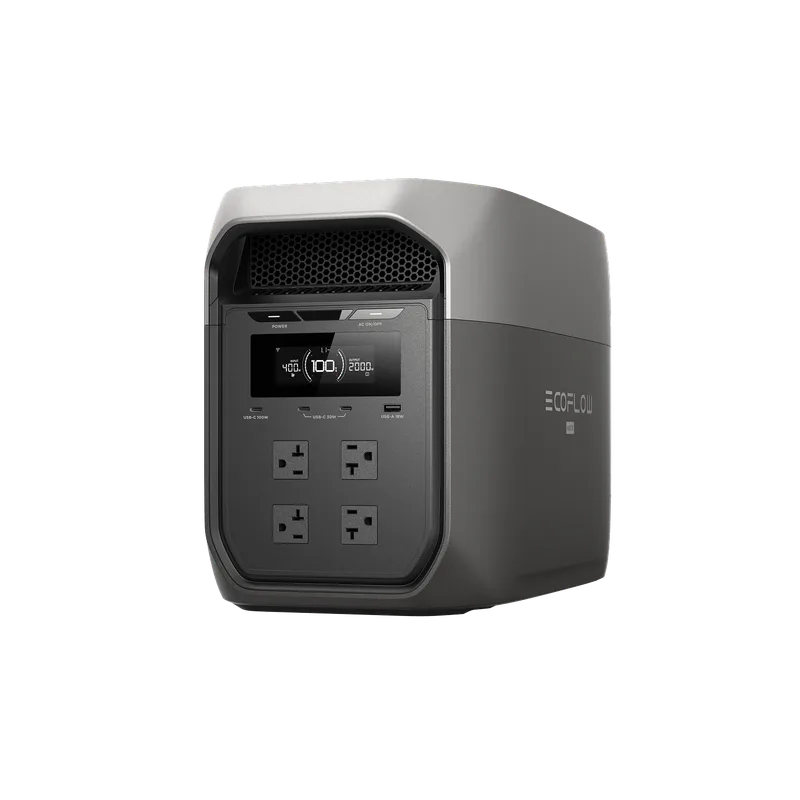
$800-$1,200 - EcoFlow Delta 3 Max
The cheapest per watt-hour: 2048Wh and 2400W for $1,199 at list ($0.59) and $879 in the current sale ($0.43), if you will use the capacity.
- 2048Wh and 2400W with a 3400W X-Boost mode and 4800W surge
- About $0.59 per watt-hour at list and $0.43 on sale, the lowest in this guide
- Under 10 ms UPS switchover and a 5-year warranty
- About 45 lb, EcoFlow says 13% lighter than the previous generation
- About 45 lb is heavy for one person
- Solar input is limited to 500W and the spec sheet lists no extra battery
- The cheapest per watt-hour only if you actually need 2kWh
- In Europe it lists at EUR 1,299 against EUR 949 for the older Delta 2 Max
How This Was Researched
Prices were read from EcoFlow's US, French and Dutch stores on 2 October 2026, and specifications from EcoFlow's own spec sheets. Price per watt-hour is the listed price divided by rated capacity. We priced EcoFlow units because those are the ones we have verified end to end, so the tiers show how one maker prices a ladder of sizes, not a survey of every brand.
Frequently Asked Questions
At list price, about $0.60 to $0.70 per watt-hour for a 1kWh LiFePO4 station, falling toward $0.60 at 2kWh and rising above $0.85 for units under 300Wh. The four EcoFlow models in this guide run from $1.05 per watt-hour (River 3 Plus) to $0.59 (Delta 3 Max) at list. Sale prices lower those figures.
The discounts are real against the list price on EcoFlow's own store. The Delta 3 lists at $699 and sells for $599 in the Prime Day Fall Sale, which runs to October 5, 2026. EcoFlow discounts often, so list price is the better anchor. Treat a sale as a bonus, and check that the sale price is lower than the last one you saw.
Add up the wattage of what you will run and divide the watt-hours by it. A 100W load on 1024Wh runs for roughly ten hours before conversion losses, which reduce that somewhat. For a CPAP, a router and phones, 250Wh is usually enough for a night, depending on the machine. A fridge's draw varies, so 1kWh is a common starting point for an outage.
All four units here use LiFePO4 cells. EcoFlow publishes 3000 cycles to 80% capacity for the River 2 and River 3 Plus and 4000 for the Delta 3. For backup that you cycle a few times a year, any of them outlasts the product. Cycle life matters if you charge and discharge daily, for example on solar.
Not quite. EcoFlow's French and Dutch stores list the River 2 at EUR 199, the River 3 Plus at EUR 299, the Delta 3 at EUR 749 and the Delta 3 Max at EUR 1,299. The Delta 3 Max is far more expensive there than in the US sale. Compare against the store you will actually buy from.
$500-$800 (WINNER) - EcoFlow Delta 3
The sweet spot. 1024Wh and 1800W for $699 at list ($0.68 per watt-hour) and $599 in the current sale ($0.58), with a 4000-cycle battery and a 5-year warranty.
Check Price on Amazon